
How to Price a Charlotte Luxury Home
How to Price a Charlotte Luxury Home
Pricing a luxury home properly requires far more than simply looking at recent comparable sales. In Charlotte’s upper-end market, pricing becomes significantly more nuanced because no two luxury homes are truly identical. Buyers at the higher end of the market are highly informed, extremely analytical, and often evaluating homes across multiple neighborhoods simultaneously.
One of the biggest mistakes luxury sellers make is assuming their home’s value should be based primarily on emotional attachment or the amount they invested into renovations. While improvements certainly matter, buyers ultimately evaluate homes based on current competition, location, presentation, lot quality, architectural appeal, convenience, and perceived long-term value.
In neighborhoods such as Myers Park, Foxcroft, Eastover, SouthPark, and Mountainbrook, seemingly small differences can dramatically affect pricing. Street location, privacy, topography, architectural style, renovation quality, and even subtle neighborhood positioning can influence buyer perception and final sale price.
Luxury pricing also involves understanding buyer psychology. Many sellers believe pricing high creates room for negotiation. In reality, overpricing often reduces urgency, limits showing activity, and causes a property to lose momentum during the critical first days on market.
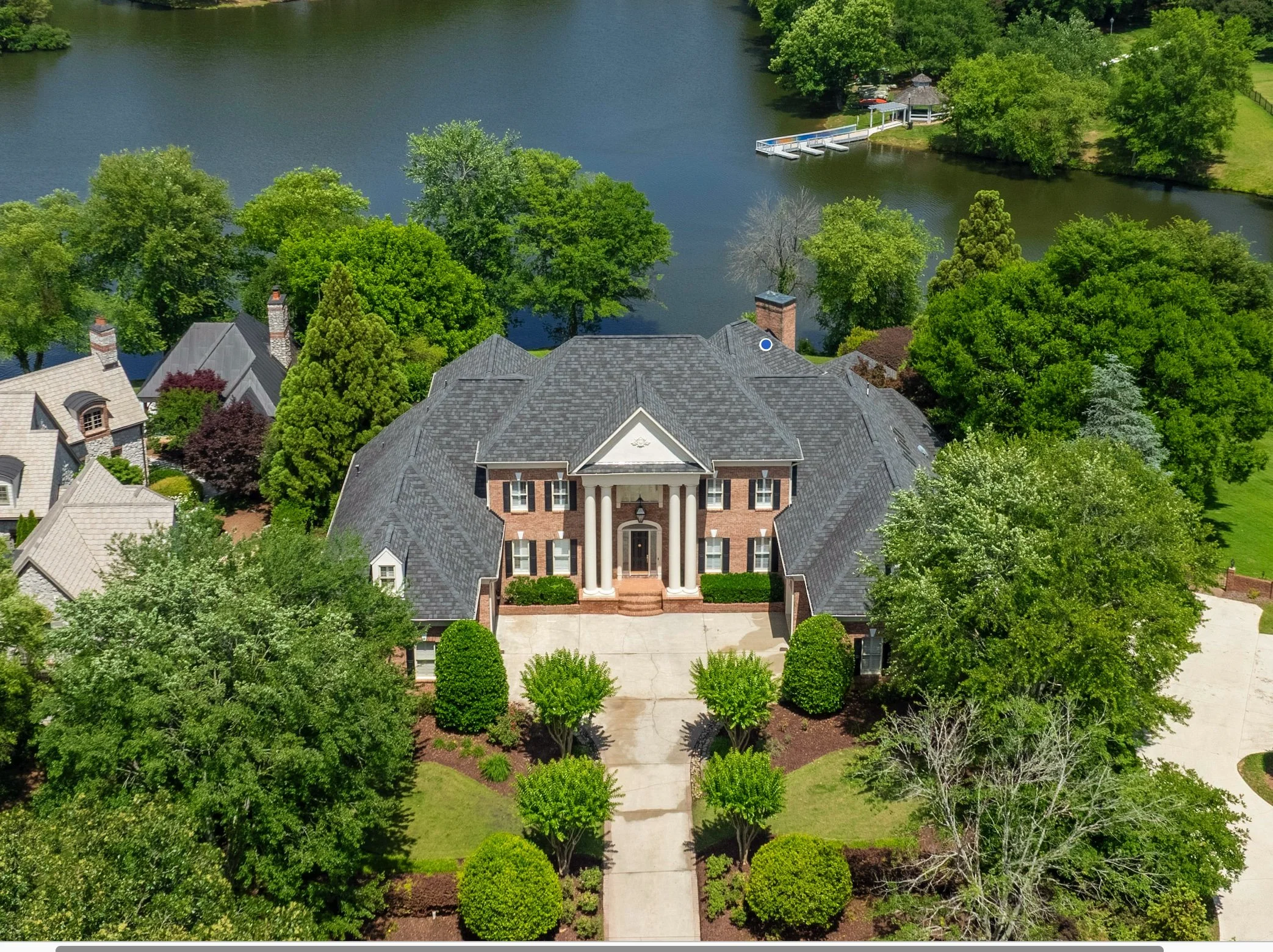
I recently worked with sellers in Foxcroft East whose initial pricing expectations were influenced heavily by a neighboring property that had sold at an aggressive number. After reviewing the differences in lot quality, renovation level, privacy, and buyer demand, we repositioned the pricing strategy more competitively. The result was substantially stronger showing activity and a far more efficient sales process.
In today’s market, pricing is also closely tied to presentation and preparation. A move-in ready luxury home with modern finishes, strong natural light, professional staging, and high-end photography will typically outperform a similar home lacking those elements. Buyers are purchasing not just square footage, but also emotion, convenience, and confidence in the property.
Luxury pricing also requires understanding broader market conditions. Mortgage rates, stock market volatility, relocation demand, inventory levels, and new construction competition can all influence luxury buyer behavior. The Charlotte luxury market often behaves differently from the broader housing market, especially in price segments above $1 million and $3 million.
Another factor sellers often underestimate is days on market. The longer a luxury property sits without strong activity, the more buyers begin questioning the pricing or condition. Strategic initial pricing often creates stronger urgency, more showings, and ultimately stronger negotiating leverage.

As Charlotte continues attracting high-income buyers from across the country, especially in feeder markets like New York, Miami, Los Angeles, Chicago, and D.C., luxury inventory remains competitive in many established neighborhoods. Sellers who combine strategic pricing, preparation, presentation, and professional marketing often achieve dramatically stronger results than sellers who rely simply on market momentum.
If you are considering selling a luxury home and would like a professional evaluation of your property, neighborhood positioning, and pricing strategy, I would be glad to help.
Contact David Strause
David Strause | Ivester Jackson | Christie’s International Real Estate
📞 704-437-2023
📧 DavidS@IvesterJackson.com
🌐 Carolina Fine Homes